
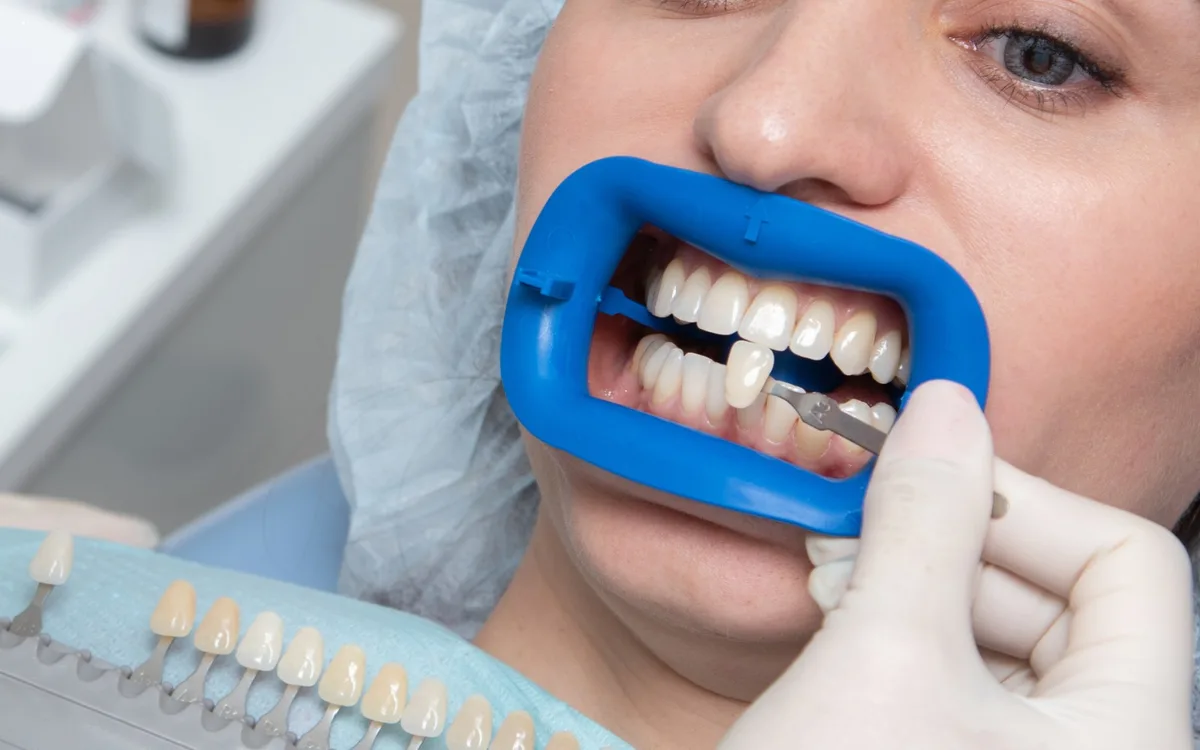
Dental anxiety is one of the most widespread specific phobias in the world. According to World Health Organization data, between 15% and 20% of the global adult population experiences moderate-to-severe dental anxiety, and approximately 5% suffer from clinical dental phobia — meaning they completely avoid dental treatment due to fear.
The direct consequence: millions of people postpone simple treatments until problems become painful emergencies that are costly and complex to resolve.
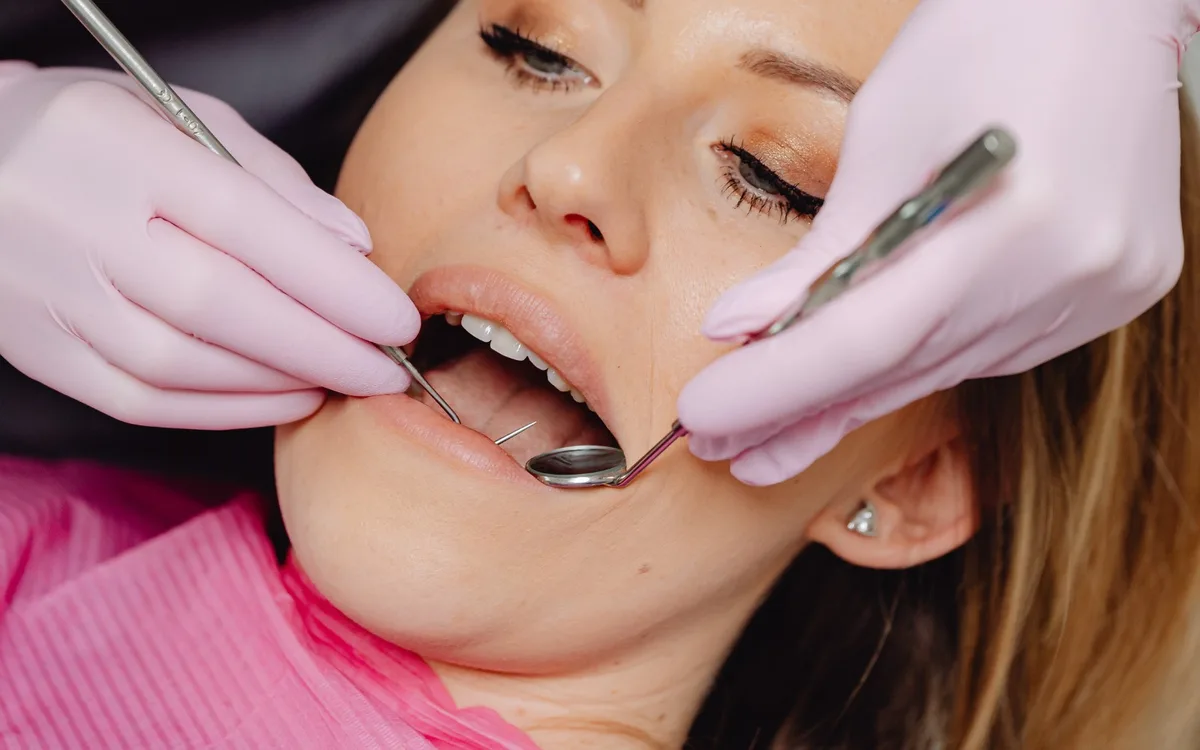
Why Does Dental Anxiety Occur?
Research in dental anxiety psychology identifies several causal factors:
Previous negative experiences represent the most common trigger. A painful procedure or an unsympathetic dentist during childhood can create a persistent aversion lasting decades. Classical conditioning (a neutral stimulus associated with pain) is extremely robust in the human brain.
Loss of control — the position in the dental chair, the inability to speak or easily signal that something hurts, instruments in the open mouth — activates the sympathetic nervous system and the “fight or flight” response.
Aversive sensory stimuli — the sound of the drill, the dental office smell, the intense light of the lamp — quickly become conditioned stimuli that trigger anxiety even before treatment begins.
Shame — many patients with advanced dental problems (a consequence of avoidance) feel judged by the clinician, amplifying anxiety. This dynamic creates a vicious cycle: fear leads to avoidance leads to deterioration leads to amplified shame leads to even greater fear.
Relevant European Statistics
Studies published in the European Journal of Oral Sciences and BMC Oral Health provide concrete data:
- Approximately 30% of European adults report moderate-level dental anxiety
- Women report dental anxiety more frequently than men, although the difference narrows for severe anxiety
- Children of dentally anxious parents have a 2–3 times higher risk of developing dental anxiety themselves
- Dental anxiety is associated with a significantly higher number of missing or untreated teeth at the same age, compared to non-anxious individuals
- Patients with severe dental anxiety have lifetime dental treatment costs 40–60% higher than those without anxiety
Sedation Options: The Full Spectrum
Modern medicine offers a broad spectrum of interventions for anxiety management:
Nitrous oxide sedation (laughing gas) is the lightest form of conscious sedation. The patient remains awake and cooperative, but relaxed with increased tolerance for discomfort. The effect disappears within 5 minutes after the gas is stopped, and the patient can drive after the appointment.
Oral sedation (benzodiazepines in small doses) — administered 30–60 minutes before the appointment. Significantly reduces anxiety but requires a companion.
Intravenous conscious sedation (midazolam, propofol in small doses) — used for longer procedures or severe anxiety. The patient is deeply relaxed but can be verbally aroused. Requires anesthetic monitoring.
General anesthesia — reserved for cases of extreme anxiety or for uncooperative young children. Performed in a hospital or clinic with ICU facilities.
Non-Pharmacological Strategies with Proven Efficacy
Beyond sedation, psychological techniques deliver remarkable results:
- Tell-show-do — the clinician explains, demonstrates, and then performs each step. Significantly reduces uncertainty.
- The “stop” technique — the patient has an agreed signal (raising a hand) that immediately halts any procedure. Restores the sense of control.
- Diaphragmatic breathing before and during the appointment — reduces sympathetic nervous system activation
- Clinical hypnosis — effective in expert hands; reduces pain perception and anxiety
- Cognitive-behavioral therapy (CBT) specific to dental phobia — modifies catastrophic thinking patterns; lasting effect
Practical Tips If You Are an Anxious Patient
- Communicate openly with your clinician from the very first visit. A good dentist adapts the pace and technique to your anxiety level.
- Schedule appointments in the morning, when cortisol levels are naturally higher and stress tolerance is greater.
- Bring music — headphones with your favorite music reduce the perception of aversive office sounds.
- Familiarization visits before complex treatments — come once just to get acquainted, without any treatment.
- Look for clinics with a patient-centered approach — many clinics in the ClickDent network have explicit protocols for anxious patients and offer nitrous oxide sedation included in the fee.
Dental anxiety is not a character flaw — it is a normal human reaction to stimuli perceived as threatening. With the right clinician and appropriate techniques, it can be effectively managed, allowing access to the dental care every person needs.